

cooking lesson i
so you’re anxious about cooking. about how high to turn the burner and when. what is a large onion. how many carrots in a half cup. what is a simmer. what is a fine dice. why doesn’t this taste good. how do i fix it.
if your father never forced you to peel the garlic, to taste for salt, to add the lemon at the end. if your mother overcooked every vegetable and seasoned miserly. if you do not love to cook, if you are agitated in the kitchen, if you dread mealtime, and have even come to hate eating—here is lesson one, meandering and instinctual as all the best home cooking.
measurements aren’t that serious. the sizes of vegetables, a half teaspoon of spice vs. a teaspoon. slight differences will not overtly transform your dish. don’t stress.
it can be better. no need to wrap it up at a point of mediocrity. if you can’t tell what’s wrong, add butter, add salt. add the spices that tempt you. add more salt.
you can stop at any time. onions burning, bladder full? overstimulated, overwhelmed? milk boiling over? turn the burner off, move the pan off the heat. all chemical reactions will cease until you’re ready.
be curious. always taste as you go. always wonder what flavor comes from where. always observe what happens when you’re cooking. buy new veggies, spices, herbs. if a recipe looks delicious, try it, even if it uses ingredients you’ve never used before.
get your knife sharpened. just look up “knife sharpening near me.”
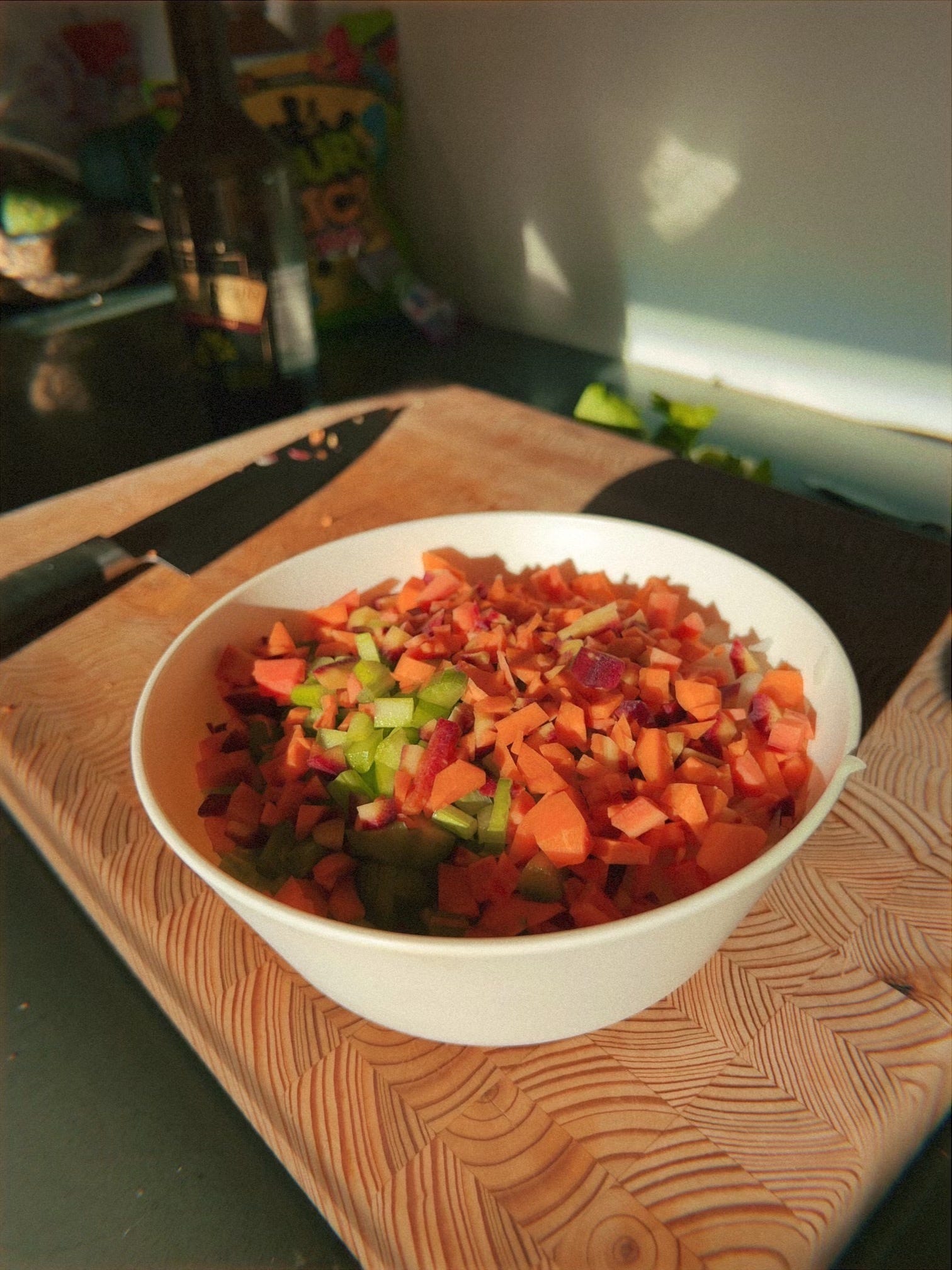
to dice an onion quickly, first chop off the non-hairy end. peel—not just the papery stuff but the thick, bitter first layer. slice in half (parallel to the lines of the onion). cut into narrow slices, again following the lines of the onion. then chop perpendicular.
the easiest way to peel garlic is to smash each clove with the flat of your knife.
buy a meat thermometer and you will never have to worry about salmonella.
your quick guide to troubleshooting flavor: if it’s too salty, add lemon or lime or vinegar or butter or yogurt or cream. if it’s too bitter, add sugar and/or something sour. if it’s too sour, add salt. if it’s missing something, add more spices (my go-tos: garlic powder, cumin, paprika). if it’s still missing something, add salt or chicken bouillon or soy sauce.
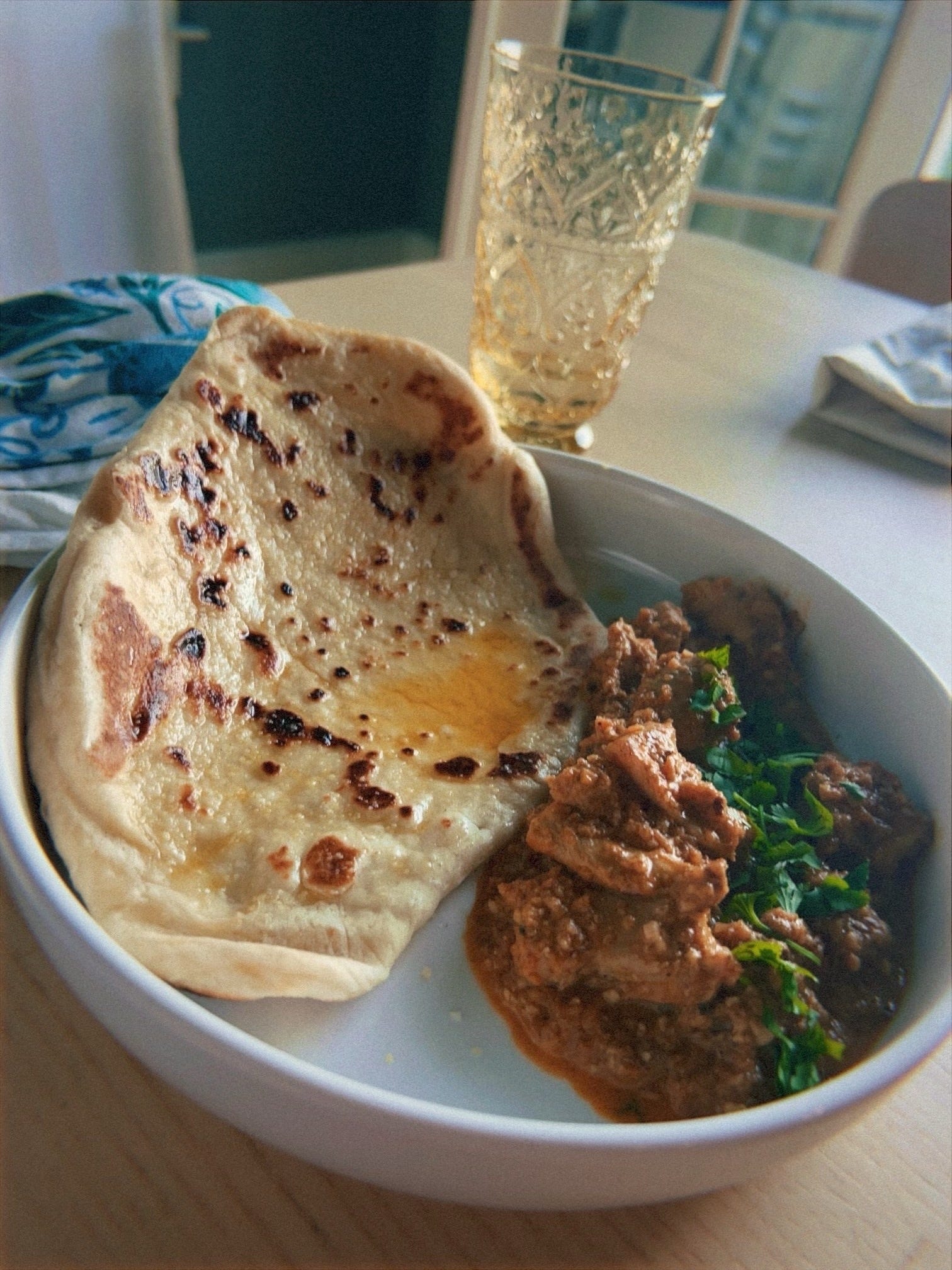
start simple: roasted veggies and stir fries and pasta and soups. salmon and shrimp. chicken thighs with olive oil, salt, paprika. perfect the flavor of these dishes and everything will become easier.
don’t be afraid. practice and fail. in the process you will learn to trust yourself. if you can’t overcome this hurdle, first cook with someone who loves cooking, and who loves you. a friend, an aunt, a lover.
food is not just made for filling you up. it’s made to nourish and heal. many humans have spent many years making sure your raw ingredients are as delicious and accessible and easy to eat as possible, e.g., fruits used to have more seeds, vegetables and animals used to be much smaller.
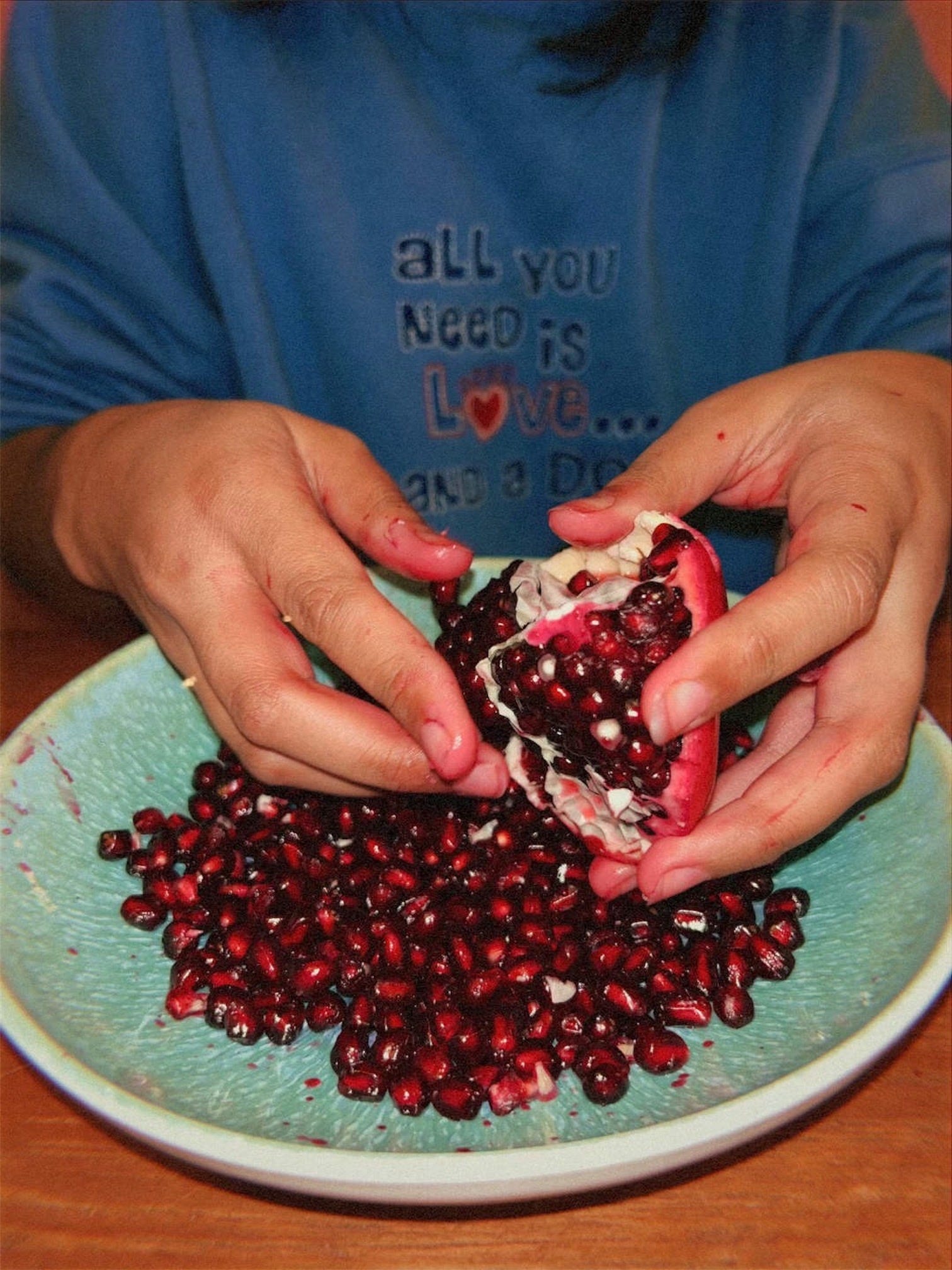
many humans have also spent many years learning and perfecting dependable techniques for increasing flavor, such as:
bloom your spices and aromatics: this includes garlic and ginger. pour into hot oil and stir around for 60 seconds. in hindi this is called the tadka. this will make your ingredients more fragrant and triple their effectiveness.
boil and then turn to a simmer: a simmer is just a light boil, at medium heat if the lid is off, low heat if the lid is on. this is faster than trying to reach a simmer on medium or low heat.
deglaze your meat: sear at medium/high heat, let brown and stick and create all kinds of bits at the bottom of your pan. pour in cool liquid like water or stock or wine and then scrape off all the bits.
use cream and lemon and fresh herbs only when finishing a dish.
use onion only at the start. cook until translucent, or your final dish will have the flavor of raw onion no matter how long you cook it later.
add butter and salt. i cannot stress this enough.
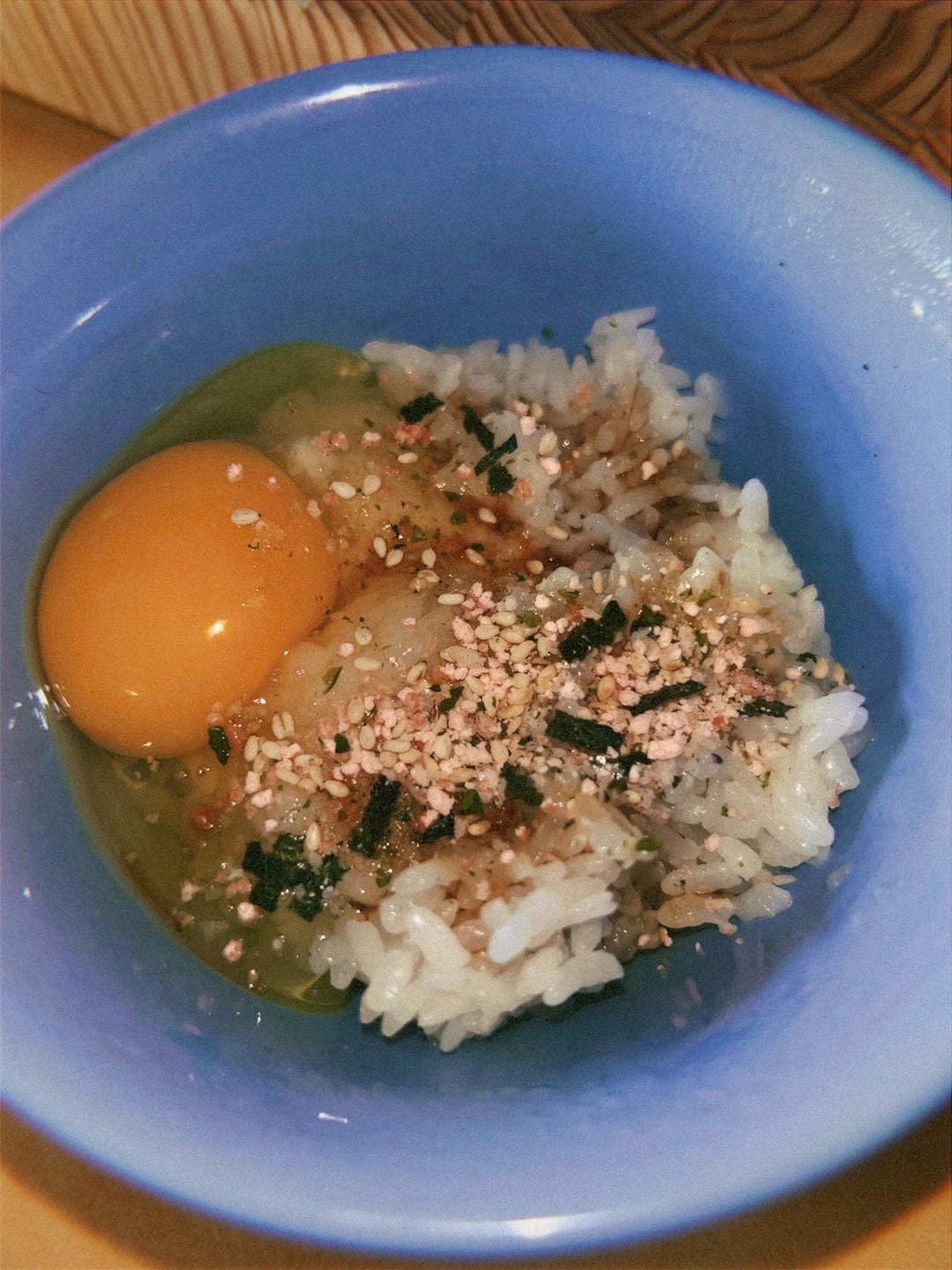
did you know that you gain more nutrition from a meal the more you enjoy it? did you know that you digest better when you eat with your hands?
touch your food, and savor it. eat rich, eat well. life is too short and mealtime too frequent for anything else.
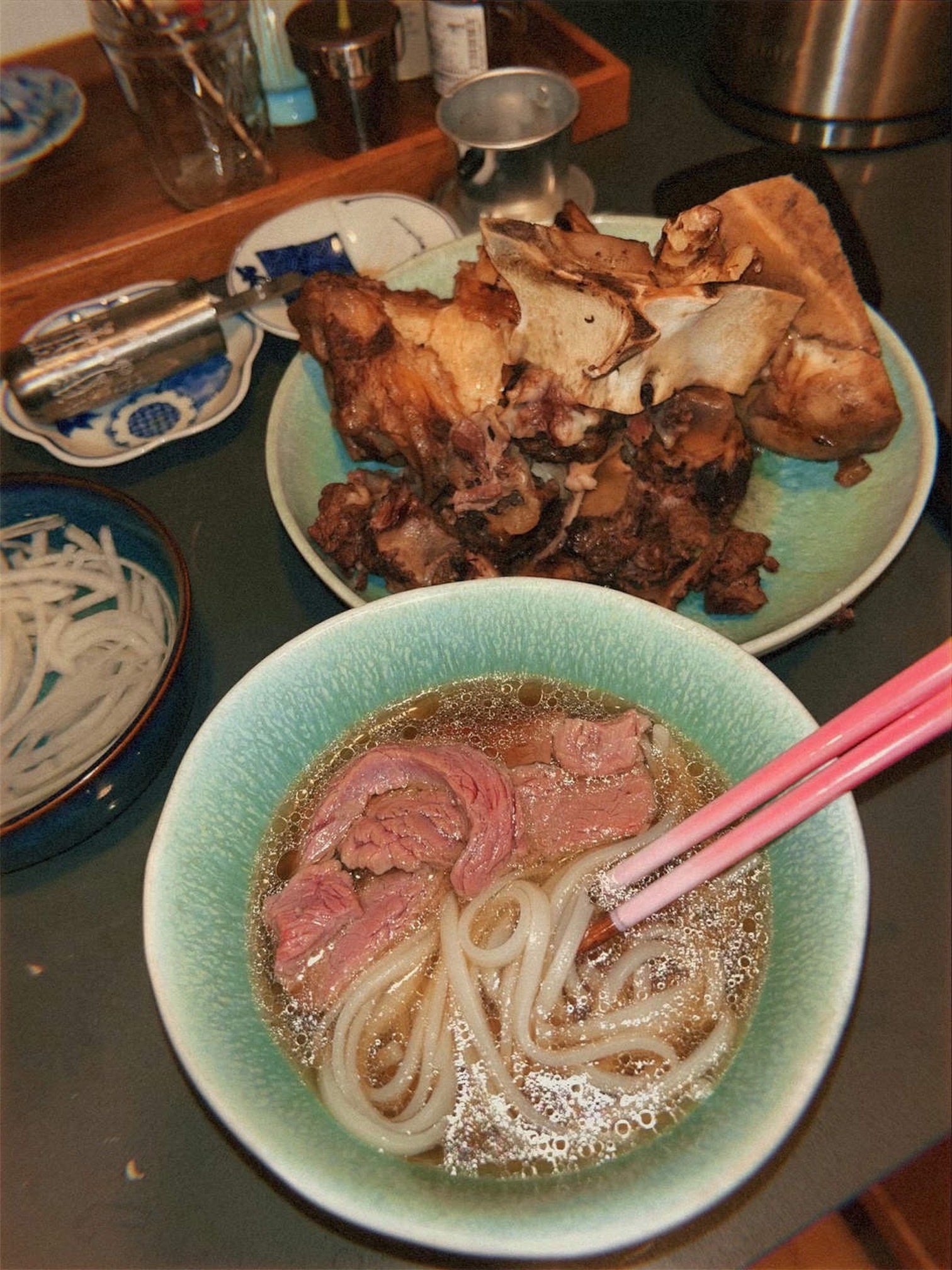
the oil in the pho broth tells me you made it so well wow!! and I love the awe in the photo of your wife and your butter chicken looks SO yummy. come to ny sometime, I'd love to make ya'll banh khot or banh xeo both dishes meant for your hands and the company of others
This is beautiful (and useful). I'll definitely try your recommendations to get over my cooking anxiety (and my anxiety in kitchens in general)